Outdoor Fireplaces and Fire Pits in Providence, RI
A fire feature is what stretches a Providence backyard past September. The kitchen cooks dinner, and the fire is where everyone lands after, through October evenings and the first cold nights of spring. The choice between a fireplace and a fire pit is not about which looks better in a photo. It is about heat pattern, group size, wind, and budget, and this page works through all four with real numbers.
HomeGuide 2026 puts a built in fire pit at $325 to $2,000 and an outdoor fireplace at $1,500 to $9,000 for a prefab unit installed, or $6,000 to $20,000 for custom masonry. That spread is the story: a fire pit is an addition, while a masonry fireplace is a structure, and they should be chosen like one.
Call (401) 357-0136Get a straight answer and a written quote
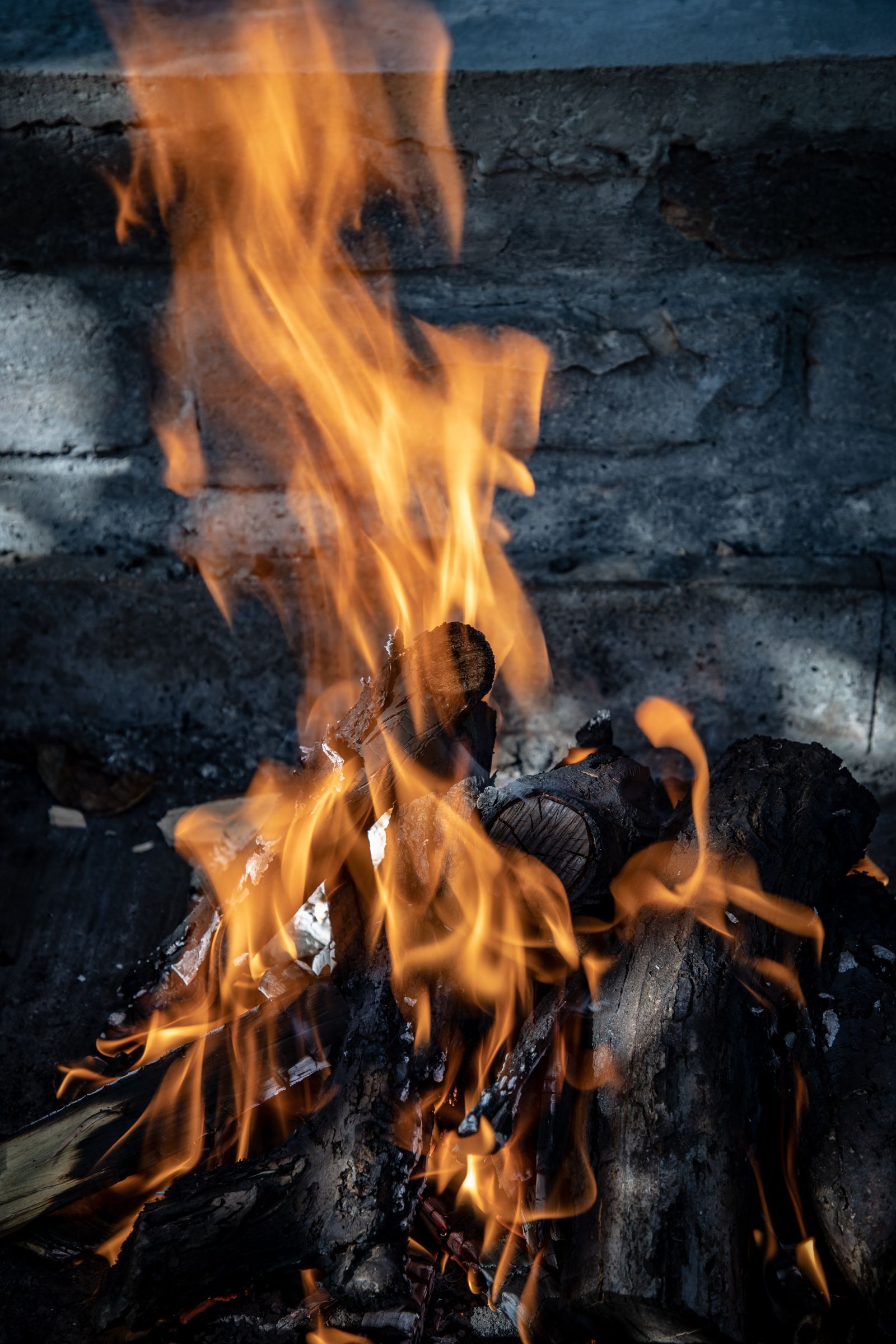
Fireplace or Fire Pit: the Real Differences
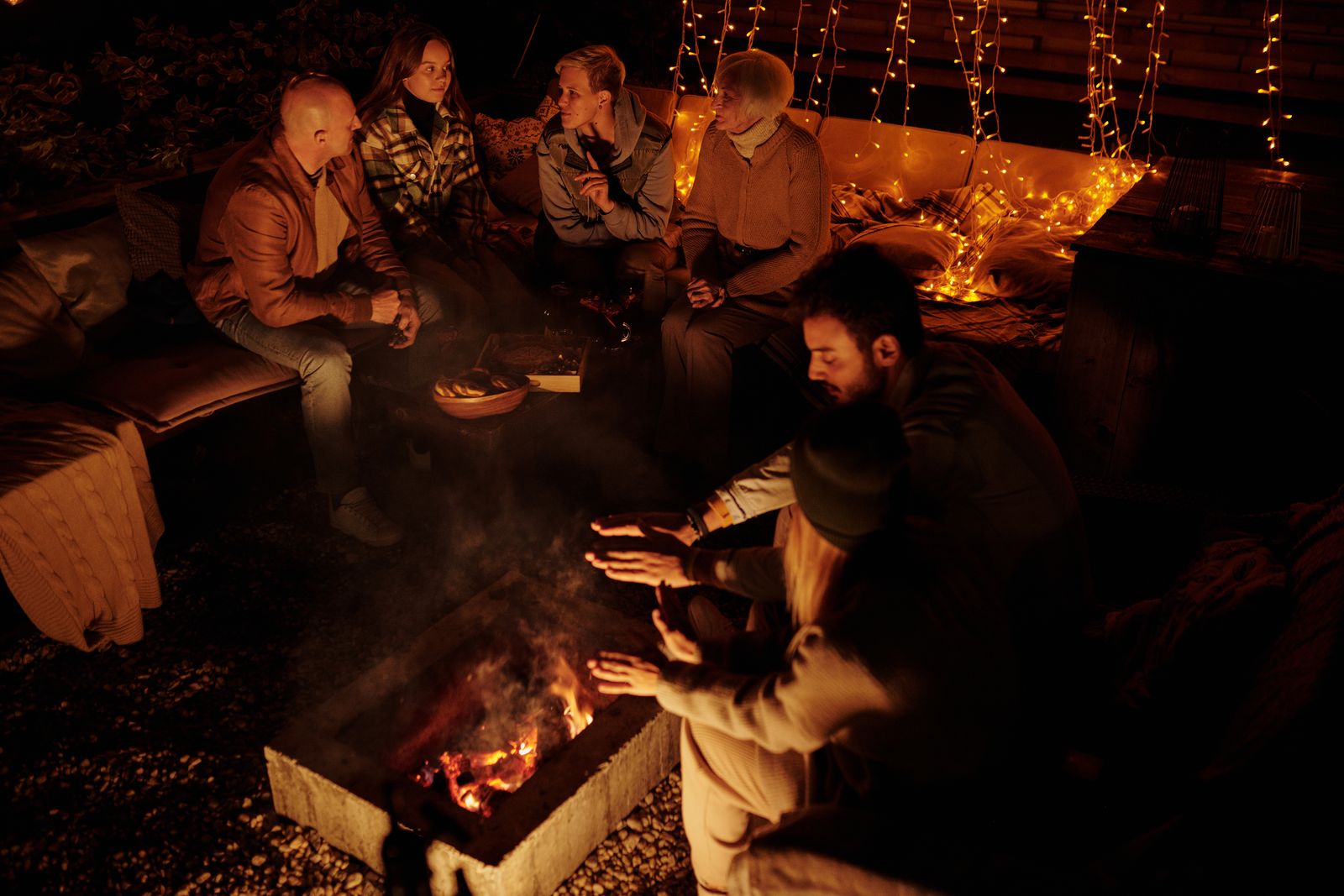
A fire pit heats in a circle. People gather around it on every side, the group can be large, and the fire sits low, which suits conversation and an open yard. It also means smoke drifts over somebody whenever the wind shifts, and the heat is modest beyond a few feet. A fireplace heats in one direction, like a room outdoors: seating sits in front of it, the chimney carries smoke up and away, and the structure itself blocks wind and anchors the space. It serves a smaller group better and gives up the circle.
Yard shape usually decides. Long or narrow yards take a fireplace at the end as a destination. Square yards with room in the middle take a pit. Homes where the fire is mostly for two to six people on a patio take either, and the tie breaker is wind: a fireplace with its back to the prevailing wind makes a calm pocket, while a pit in the same spot smokes out the downwind chairs nightly.
Gas or Wood
Wood is the classic fire: real flame, real crackle, and the smell half the buyers are actually purchasing. Its costs are effort and rules: firewood storage, ash cleanup, sparks to manage, and town rules on open burning that vary across the metro and must be checked for your address. Gas is the convenient fire: on and off with a switch or a remote, no smoke to speak of, no storage, and a clean burn that neighbors appreciate. Its cost is the gas run itself, the same permitted line work priced on the grill island page, and many builds share one run between the grill and the fire feature when both are planned together.
A hybrid worth knowing about: a wood burning fireplace or pit built with a gas starter or a gas log option designed in from the start. Retrofitting gas into a wood structure later is possible but rarely cheap. Decide the fuel during design, even if the second fuel waits for a later phase.
Clearances, Permits, and Town Rules
Fire features sit at set distances from the house, fences, and overhanging trees, following the manufacturer's or the masonry design's clearances and local code. A fireplace chimney needs height and clearance from rooflines. A gas fed feature needs the gas permit and inspection that all gas work needs in Rhode Island. Wood burning features can fall under town open burning rules, which differ between Providence metro towns and sometimes between districts, so the check is by address, not by assumption.
Publishable honesty matters here, so this page states the rule the build follows: gas, electric, and plumbing work on an outdoor project normally runs under permits pulled by licensed trades, and fire feature placement and wood burning are verified against your town's current rules at design time. Any builder quoting a fireplace without asking your town is skipping a step that can move the structure.
Building It With the Kitchen, or After
A fire feature planned with the kitchen shares footings, masonry crews, and gas runs, and the design places it where the cook and the fire crowd do not trip over each other. Added later, it still works, but the gas run may reopen finished ground and the seating layout gets designed around whatever space the kitchen left. If a fire feature is even a maybe, say so during kitchen design. A capped gas stub and a reserved spot in the layout cost little at build time and keep the option fully open.
Request an Outdoor Kitchen Quote
Common Questions
Fireplace or fire pit, which fits my yard?
A fire pit heats in a circle and suits larger groups in an open yard. A fireplace heats in one direction, sends smoke up a chimney, blocks wind, and anchors a seating area like an outdoor room. Long yards usually take a fireplace at the end. Open square yards take a pit. Wind, group size, and how you actually sit outside decide it, and both get priced honestly before you choose.
How much does an outdoor fireplace cost?
HomeGuide 2026 puts a prefab outdoor fireplace, installed, at $1,500 to $9,000, and a custom masonry fireplace at $6,000 to $20,000. Gas service, chimney height, finish stone, and any seating wall built with it move the number inside that range. A fireplace is a structure with footings, so site conditions matter the same way they do for the kitchen island.
How much does a built in fire pit cost?
HomeGuide 2026 puts a built in fire pit at $325 to $2,000 for the structure itself, with wood burning at the low end of effort and cost. A gas fed pit adds the permitted gas run to that figure. Seating walls, patio work around the pit, and premium finishes are separate line items that a complete quote names individually.
Do I need a permit for an outdoor fireplace or fire pit?
Gas work always needs a permit and licensed installation in Rhode Island, for a pit or a fireplace. A masonry fireplace can also fall under building rules as a permanent structure, and wood burning features can be subject to town open burning rules that vary by town and district. The build verifies the rules for your address at design time, before placement is final.
Gas or wood burning, what are the trade offs?
Wood gives the classic fire, crackle, and scent, at the cost of firewood storage, ash, sparks, and town open burning rules. Gas gives instant on and off, no smoke, and no storage, at the cost of the permitted gas line run. Many builds plan for both by designing gas service in from the start. The right answer follows how often you will actually light it.
How far from the house and fence does a fire feature have to sit?
Clearances come from the fire feature's design or manufacturer requirements and local code, and they account for heat, sparks, and chimney height near rooflines and trees. There is no single number that fits every yard and every town, which is why placement is verified for your address during design. Any quote that fixes the spot without that check is guessing with a permanent structure.
Fire Season Starts With a Plan
One call prices both options for your yard, with the fuel and permit answers for your town.